

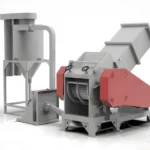
 uPVC Profile & Pipe Granulator
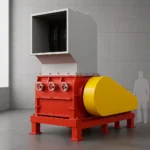 Granulators for Hard Plastics
<motion.div
Guidelines for Plastic Granulator Operations
Essential insights for resolving common blockages and noise issues in plastic granulators, ensuring efficient recycling and processing operations. For industrial equipment buyers, engineers, and technical staff.
initial={{ opacity: 0, y: 20 }} whileInView={{ opacity: 1, y: 0 }} initial={{ opacity: 0, y: 20 }}
viewport={{ once: true, amount: 0.3 }}
Causes & Solutions for Blockages
initial={{ opacity: 0, y: 20 }}
transition={{ duration: 0.6, ease: "easeOut" }}
Common Causes of Blockages
>
<1. Overloading Materials>
<2. Inconsistent Feeding>
<3. High Moisture Content>
<4. Foreign Objects (Metal)>
<5. Worn Screens>
<motion.div
viewport={{ once: true, amount: 0.3 }}
Address Excessive Noise
initial={{ opacity: 0, y: 20 }}| Feature | Standard Granulator | Low Noise Granulator |
|---|---|---|
| Sound Level | High | Low |
| Maintenance Frequency | High | Low |
| Energy Consumption | Average | Low |
| Pellet Quality | Standard | High |
Conclusion
Proactively addressing common issues such as blockages and excessive noise is crucial for maintaining efficient and cost-effective operations of plastic granulators. Regular maintenance practices, correct operational procedures, and informed material choices are essential.
For further technical support or to explore advanced granulator solutions, please contact the relevant contacts.
initial={{ opacity: 0, y: 20 }}
 English
  Dutch
Dutch  Polish
  Italian
  German
  French
  Spanish