
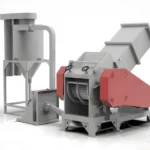
 uPVC Profile & Pipe Granulator
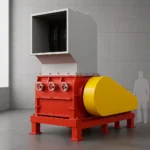 Granulators for Hard Plastics
Bij het investeren in apparatuur voor textielrecycling is het begrijpen van de factoren die de prijs van een textielshredder beïnvloeden cruciaal voor een weloverwogen beslissing. Deze gids helpt u het prijzenlandschap te navigeren en de beste waarde voor uw specifieke behoeften te bepalen.
Wat beïnvloedt de prijs van een textielshredder?
Build Quality and Materials
De verwerkingscapaciteit heeft een aanzienlijke invloed op de totale kosten. Industriële textielshredders die zijn ontworpen voor grootschalige operaties hebben uiteraard een hogere prijs dan kleinere units. Houd rekening met uw dagelijkse verwerkingsvereisten bij het evalueren van verschillende modellen.
Durability
Hoogwaardige textielshredders, gebouwd met messen van gehard staal en robuuste frames, bieden een betere levensduur en prestaties, wat wordt weerspiegeld in hun prijs. De kwaliteit van de materialen is direct gerelateerd aan:
- Duurzaamheid – Langere operationele levensduur
- Maintenance Costs – Reduced downtime and repairs
- Efficiency – Consistent quality of output
Motor Power and Technology
Motors with higher power and advanced cutting systems increase both performance and costs. Modern textile shredders with variable speed control and smart monitoring systems generally fall into a higher price segment.
Price Ranges by Category
| Category | Price Range | Ideal For | Key Features |
|---|---|---|---|
| Instant Models | $3,000 – $10,000 | Kleinschalige operaties, textielateliers of startende recyclinginitiatieven. | Basic functionalities, lower processing volumes, manual operation, suitable for soft textiles. |
| Industrial Models (Mid-Segment) | $10,000 – $50,000 | Medium-sized textile recycling facilities and manufacturers. | Increased processing capacity, automated feeding systems, improved mist technology, capable of processing mixed textiles. |
| Heavy-Duty Industrial Shredders | $50,000 – $200,000+ | Large-scale textile recycling and industrial applications. | Maximum throughput capacity, advanced automation, multi-stage shredding, integration with fine processing systems. granulator-systemen voor fijne verwerking. |
Important Factors Besides Price
Do not solely focus on the initial purchase price. Also consider the Total Cost of Ownership (TCO) and the Return on Investment (ROI).
- Energy Consumption – Long-term operational costs
- Maintenance Requirements – Replacement of parts and service
- Sharpening or replacing blades – Frequency and Costs
- Value of Recycled Material – Potential Income
- Labor Cost Savings – Benefits of Automation
- Supplier Support – Installation, Training, and After-Sales Service
Making the Right Investment Decision
Analyze Your Specific Needs
Before requesting quotes, it is essential to clearly define your requirements:
- Daily Processing Volume – How much material do you need to shred?
- Material Types – Cotton, polyester, blended fabrics, etc.
- Desired Output Size – The desired particle size after processing.
- Space Constraints – Available floor space and installation requirements.
- Budget Parameters – Both the initial investment and operational costs.
Request Multiple Quotes
Compare offers from various manufacturers to ensure competitive pricing. When evaluating quotes, consider equipment specifications, included features, warranty terms, and services offered.
Consider Financing Options
Many suppliers offer flexible financing solutions, such as lease programs or payment plans in installments, to make the investment more manageable.
Why Quality is More Important than Price
While finding a cost-effective solution is important, choosing the cheapest option can end up being more expensive in the long run due to:
- Frequent breakdowns and repairs
- Lower processing efficiency
- Shorter lifespan of the equipment
- Higher total costs
Investing in a reliable textile shredder from a reputable manufacturer ensures consistent performance and better value over the long term.
Conclusion
The prices of textile shredders can vary significantly based on capacity, features, and quality. By understanding your processing requirements and evaluating the total cost of ownership instead of just the purchase price, you can select equipment that delivers optimal value for your textile recycling operations.
Whether you process textile waste for recycling, manage production leftovers, or run a specialized recycling facility, choosing the right shredder at the right price is essential for operational success and profitability.
Request a Quote
 English
  Dutch
Dutch  Polish
  Italian
  German
  French
  Spanish