
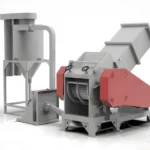
 uPVC perfil y granulador de tubería
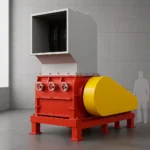 Granuladores para Materiales Duros
Nu de vraag naar gerecyclede kunststoffen sterk toeneemt, wordt de behoefte aan efficiënte en betrouwbare verwerkingsoplossingen steeds crucialer. Centraal in dit proces staat de kunststofgranulator – een essentieel apparaat dat kunststofafval omzet in herbruikbare materialen. Of u nu uw recyclingefficiëntie wilt verhogen of hoogwaardige korrels voor doorverkoop wilt produceren, de keuze voor de ideale granulator kan een aanzienlijke impact hebben op uw bedrijfsvoering en winstgevendheid.
Deze gids is bedoeld om u te helpen bij het navigeren door de essentiële factoren bij het kiezen van een kunststofgranulator voor uw bedrijf. Van het begrijpen van capaciteit en materiaalcompatibiliteit tot het evalueren van energie-efficiëntie en onderhoudsbehoeften, we behandelen de cruciale elementen die u moet overwegen voordat u deze belangrijke investering doet. Laten we ontdekken hoe u de perfecte match voor uw onderneming vindt.
Ken uw opties: Typen kunststofgranulatoren
Laten we eerst kennismaken met de gangbare typen granulatoren die beschikbaar zijn. Ze verschillen doorgaans in ontwerp en functie:
- Enkelassige granulatoren: Dit zijn de werkpaarden van de industrie, bekend om hun veelzijdigheid. Een enkele roterende as met messen versnippert kunststofmaterialen tot kleinere deeltjes. Ze zijn ideaal voor middelgrote tot grote volumes algemeen kunststofafval, vaak gebruikt in recycling- en productieomgevingen.
- Dubbelassige granulatoren: Als u meer verwerkingskracht nodig heeft voor diverse of taaiere kunststoffen, zijn dubbelassige granulatoren een uitstekende keuze. Hun twee in elkaar grijpende assen zorgen voor een gelijkmatigere snede en kunnen grotere of schurendere materialen aan. Ze blinken uit in toepassingen met hoge doorvoercapaciteit en bij het verwerken van dikkere kunststofmaterialen.
- Heavy-duty granulatoren: Gebouwd voor industriële uitdagingen, pakken heavy-duty granulatoren grote volumes taaie kunststoffen aan, zoals die van autowrakken of elektronisch afval. Uitgerust met krachtige motoren en robuuste snijmechanismen, garanderen ze duurzaamheid en consistente prestaties onder zware omstandigheden.
Definieer uw verwerkingsvereisten
Niet alle granulatoren zijn gelijk. Het begrijpen van uw specifieke behoeften is cruciaal voor het maken van de juiste keuze. Stel uzelf de volgende vragen:
- Welke specifieke kunststofmaterialen gaat u verwerken? Sommige granulatoren verwerken bepaalde kunststoffen (zoals PET, HDPE of PVC) beter dan andere. Kies een machine die compatibel is met uw primaire materialen om efficiëntie te garanderen en slijtage aan messen en motor te minimaliseren.
- Welke uiteindelijke deeltjesgrootte heeft u nodig? De gewenste grootte van de resulterende korrels of vlokken beïnvloedt uw keuze. Fijnere materialen vereisen mogelijk granulatoren die zijn uitgerust met specifieke zeefmazen.
- Wat is uw vereiste doorvoercapaciteit? Houd rekening met de schaal van uw activiteiten. De capaciteit van een granulator wordt doorgaans uitgedrukt in kilogram of ton per uur. Zorg ervoor dat de machine uw verwachte volume comfortabel aankan, van kleinere units (bijv. 100 kg/uur ) tot grote industriële krachtpatsers (meerdere tonnen per uur).
Houd rekening met energie-efficiëntie
In het huidige operationele landschap is energieverbruik een belangrijke overweging. Een energiezuinige granulator kan de operationele kosten aanzienlijk verlagen en uw duurzaamheidsdoelstellingen ondersteunen.
- Motorrendement: Zoek naar granulatoren met hoogrendementsmotoren (bijv. IE3- of IE4-classificaties), vooral voor grootschalige operaties. Deze leveren maximaal vermogen met minimaal energieverlies.
- Frequentieregelaars (VSD’s): Sommige modellen zijn voorzien van VSD’s, waarmee u de verwerkingssnelheid kunt aanpassen op basis van het materiaal. Deze flexibiliteit optimaliseert het energieverbruik en kan de doorvoer voor specifieke toepassingen verbeteren.
Evalueer onderhoud en duurzaamheid
Een kunststofgranulator is een aanzienlijke investering; proactief onderhoud is essentieel om deze te beschermen en operationele continuïteit te waarborgen. Overweeg:
- Onderhoudsgemak: Kies voor een machine die is ontworpen met oog op gebruiksvriendelijkheid. Functies zoals gemakkelijke toegang tot de maalkamer, eenvoudige mesvervanging en duidelijke onderhoudsinstructies besparen tijd en moeite.
- Duurzaamheid van componenten: Minimize downtime and repair costs by choosing a granulator built to last. Look for high-quality, wear-resistant blades, robust motors and gearboxes, and a sturdy frame made of durable materials that can withstand continuous use.
Consider the operating environment: Noise and vibration control
Granulators, especially high-capacity models, can cause significant noise and vibration. If your facility has noise restrictions or if you prioritize the comfort of your staff, this is an important factor.
- Noise-reducing features: Some granulators include noise-damping technology, such as soundproof enclosures or specialized mill chamber designs, for quieter operation.
- Vibration isolation: Machines equipped with vibration isolation supports minimize vibrations transferred to the floor, reducing machine wear and improving the working environment.
Look beyond the machine: Evaluate the support and service of the supplier
Choosing a granulator also means choosing a long-term partner. Reliable support is crucial for smooth operation of your equipment. Evaluate potential suppliers based on:
- Training: Does the supplier offer comprehensive training to your team on safe and efficient operation and basic maintenance?
- Availability of spare parts: Ensure that essential replacement parts and consumables (such as blades and screens) are readily available to minimize potential downtime.
- Responsive customer service: A reliable technical support team that can quickly help with problem-solving or maintenance questions is invaluable. Investigate the reputation and service network of the supplier.
Beyond the price tag: Evaluation of the total cost of ownership (TCO)
While the initial purchase price is important, this is only a part of the story. Consider the Total Cost of Ownership (TCO):
- Inversión inicial: Compare acquisition costs with offered features and capabilities.
- Operational costs: Consider energy consumption, routine maintenance, and possible needs such as specific lubricants or cooling systems.
- Life span and reliability: A more durable granulator of higher quality may have higher initial costs, but it often proves more cost-effective in the long run due to less frequent repairs and a longer operational life.
Making the right choice
Selecting the ideal plastic granulator requires a balance between your specific needs, budget, and long-term goals. Prioritize the factors that are most crucial for your business success. Remember that a wise investment in a reliable, efficient, and durable granulator will pay off for years in terms of productivity, quality, and cost savings.
By carefully considering these guidelines, you can confidently choose the plastic granulator that best suits the needs of your business and position yourself for operational success.
Conclusión
Investing in the right plastic granulator can transform your recycling process, significantly increase productivity, and ensure a high-quality, valuable output. By carefully evaluating factors such as material compatibility, capacity needs, energy efficiency, maintenance requirements, and supplier support, you are well-equipped to make an informed, strategic purchase.
Ready to optimize your plastic processing? Choosing the right granulator is your first, crucial step towards greater efficiency and success!

 Spanish
  Dutch
Dutch  Polish
  Italian
  German
  English
  French